
Introduction
Tenerife is an island that is part of the Canary archipelago and rises 8,000 metres from the Miocene oceanic crust (Joan, 2019). It has the highest elevation of all the Carney Islands and is the highest point in Spain. This archipelago is formed from the Canarian Hotspot, which is a large plume of hot magma that has risen through the African Plate. This has given rise to the large, Spanish-run archipelago. Since the oldest island formation some 20 million years ago, the African Plate has continued to move over the hot spot, forming younger and younger islands in the process. This is one of the reasons there is a stark difference in both island height and area, as the ones closer to the African continent are smaller in both previously mentioned measurements, as the force of erosion has had much longer to slowly wear down the rocks without any new material being brought up as their volcanoes become extinct because they have moved too far away from the hotspot.
The archipelago recurrence time, the interval at which volcanologists expect volcanic activity, has been estimated to be between 26 and 41 years (G Prates, 2013).
History
Volcanic activity in Tenerife has been well documented by scientists. This island “was largely built between 11.9 and 3.9 Ma by the coalescence of independent shield volcanoes with distinct magmatic sources.” (Marc-Antoine Longpré, 2009)
The main volcanoes on this island were formed between:
- The Roque del Conde massif (SW): 11.9 and 8.9 Ma (mainly basaltic eruptions)
- Teno (NW): 6.3 and 5.0 Ma (mainly basaltic eruptions)
- Anaga (NE): 4.9 and 3.9 Ma (mainly basaltic eruptions)
- LasCan ̃adas edific (Central): 1.9 and 0.2 Ma
- Teide-Pico (Central): 0.2 Ma
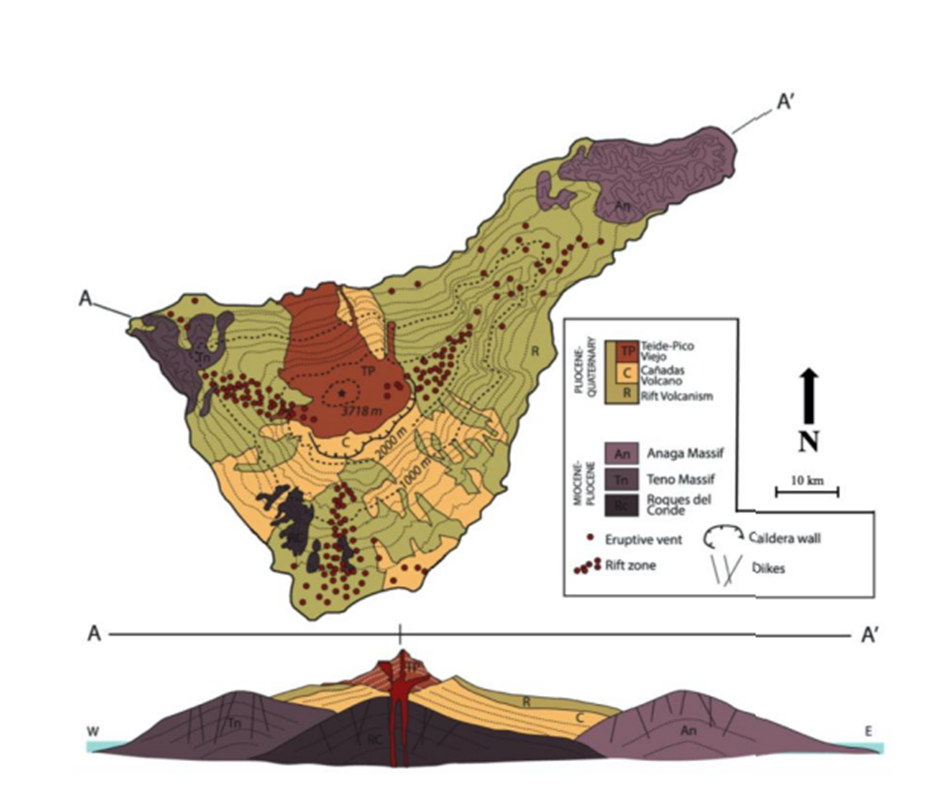
Figure 1: Showing the overlapping geology under Tenerife—Source (Bryce S. Brown, 2021)
Figure 1 shows the unique volcanic layers under Tenerife, demonstrating that the island was not built by one singular volcano but rather by five volcanoes, and during a period of time when rift volcanism made it so that there was no primary volcano but rather multiple fissures all over the island.
The history of volcanic activity on the island and the numerous volcanoes that have emerged all over it have led to the creation of a unique environment with over five volcanic remains around it. Most of these volcanoes are classified as shield volcanoes, with the exception of Mount Teide, which is a stratovolcano. Now, all around the island, you can see the distinct layers of rock that have built up after each eruption.
Tenerife has been a victim of large landslides or ‘mass wasting events’ that have removed large portions of the mountainside. These events started to take place as early as 6 Ma and as late as 150 Ka. The total volume of rock lost to these events is estimated to be more than 1,000 km3 from around the island (Marc-Antoine Longpré, 2009). These events are comparable to that which occurred on Mount Saint Helens in 1980, where about 2.5 km3 (USGS, 2023).
The last eruption in Tenerife took place from November 19th, 1909, to November 27th of the same year (Smithsonian Institution, 2013). This eruption started from nine separate mouths until, by the end of the eruption eight days later, this withered down to only three. (Wonderful Tenerife, 2023)
Current state
The island has many landforms that are attributed to volcanic activity. For example, lava flows, volcanic cones, calderas, and lava bombs. One of the most famous volcanic attractions on the island, apart from Mount Teide, is the Roques de Garcia, which are found at the base of the stratovolcanoe cone inside the caldera. It is believed that these rock pinnacles formed when magma rose from a large magma chamber many miles below the surface. This magma then cooled and solidified (Piggott, 2023). All of this happened over 180,000 years ago, but then that begs the question of how the once-covered columns of magma are now visible on the surface.
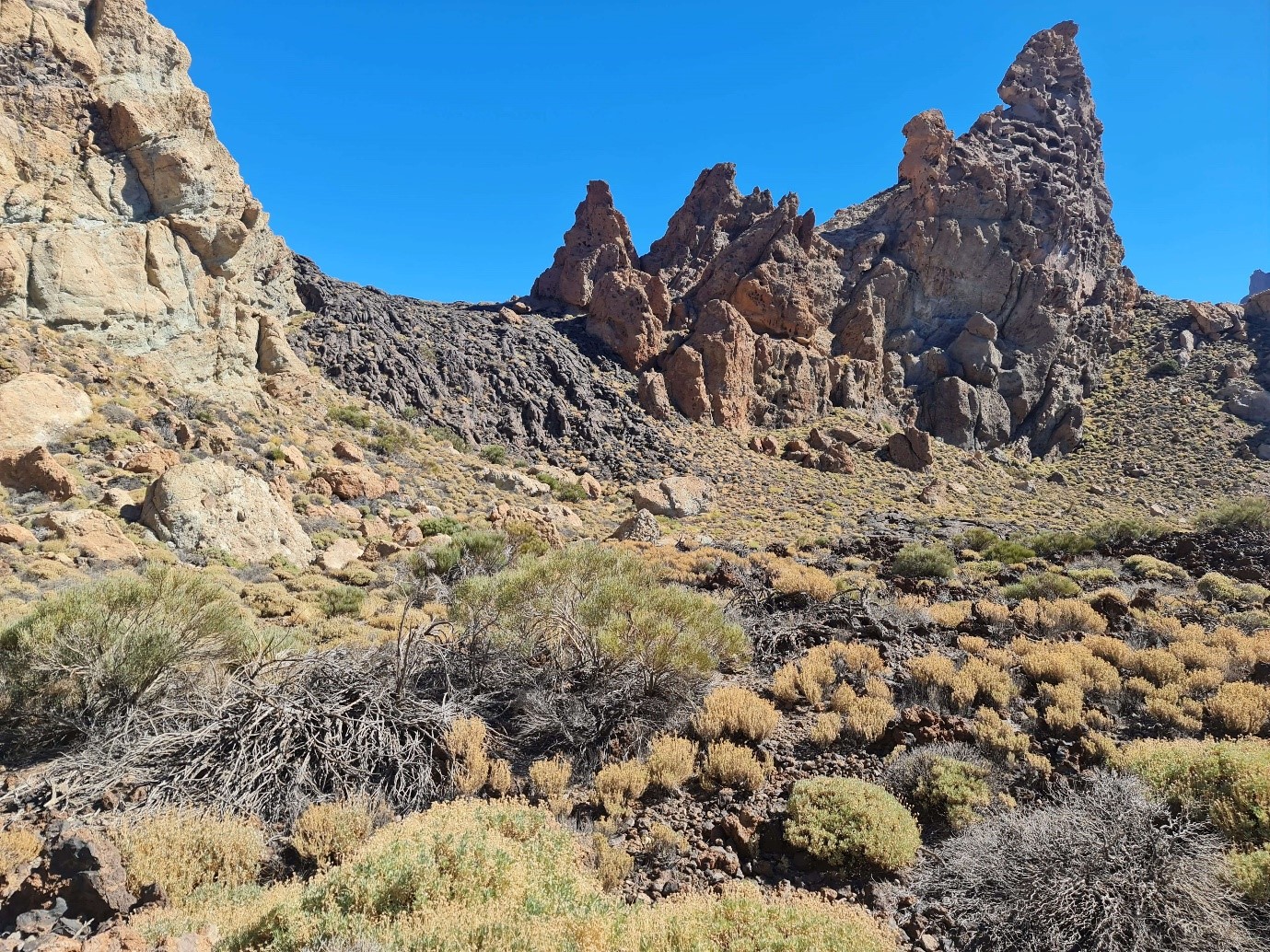
Figure 2: Roques de Garcia looking south from the trail that loops around them and is a popular hiking route for fit tourists.
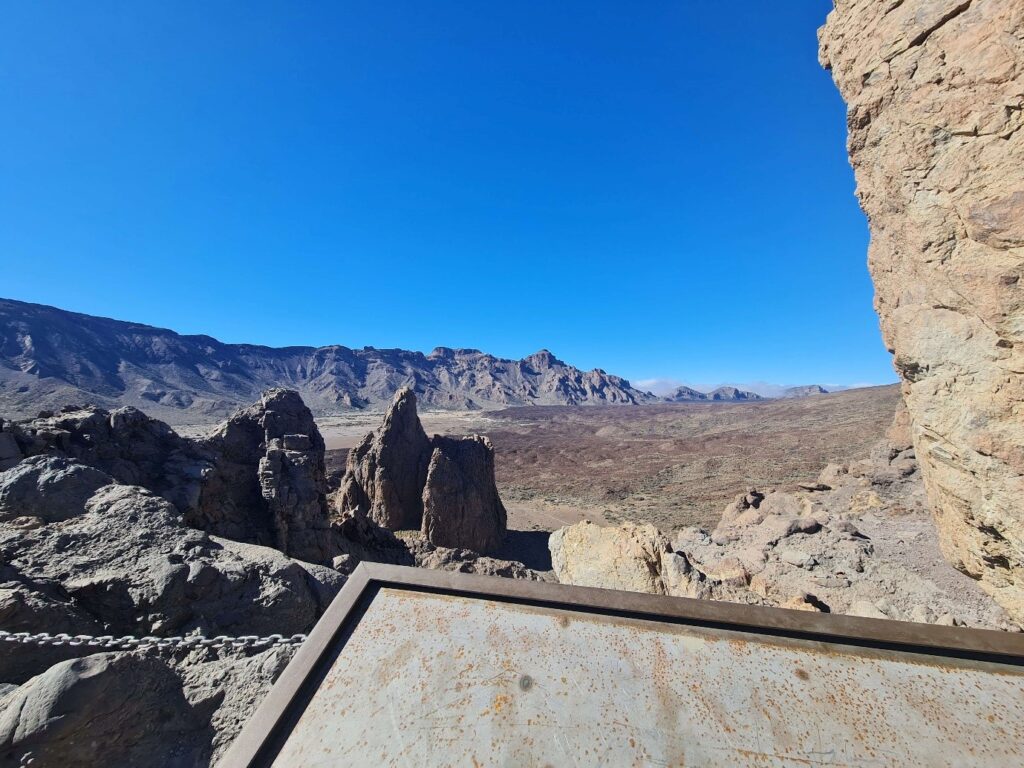
Figure 3: Looking west down onto the lower caldera from the Roques de Garcia
There has been a debate about how the caldera formed in Tenerife, with some scientists stating that it was a result of “multiple vertical collapses or due to a giant sector collapse” (Joan, 2019). However, this event is still a hot topic, and more information will come out eventually. But this collapse is what revealed the old magma flows. After this, the elements took over and started to shape the rocks as the howling wind and winter snow got to work.
Being a recently active volcanic landscape, there is evidence all over the caldera of past lava flows, and just by looking at a satellite image, you can clearly distinguish them from the dry ground.
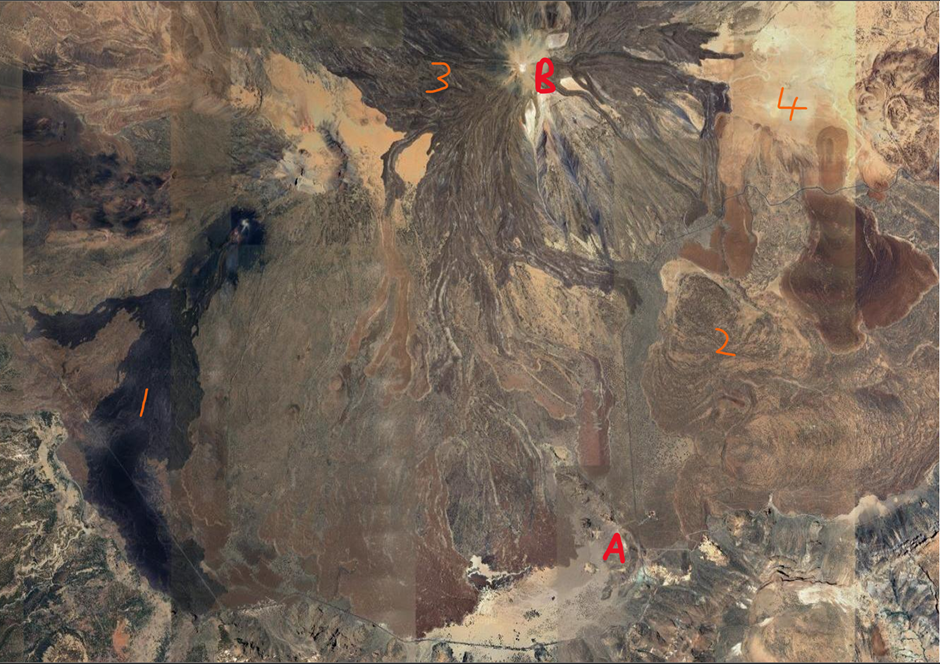
Figure 4: Satellite image of the majority of the Las Cañadas caldera. Image from Google Earth
A – Location of Roques de Garcia, signalling the divide between the upper and lower caldera.
B: The stratovolcano Mount Teide
- Lava flow age 225 years old. (Bryce S. Brown, 2021)
- Lava flow age 2000 years old. (Olaya Garcia, 2014)
- Lava flow age: ~1000 years old. (Bryce S. Brown, 2021)
- Lava flow age: 2020 years old ± 140 years. (Olaya Garcia, 2014)
Figure 4 demonstrates the very process that builds up islands like Tenerife. Over the course of many thousands of years, lava flowed flow over older flows. slowly increasing the height of the island.
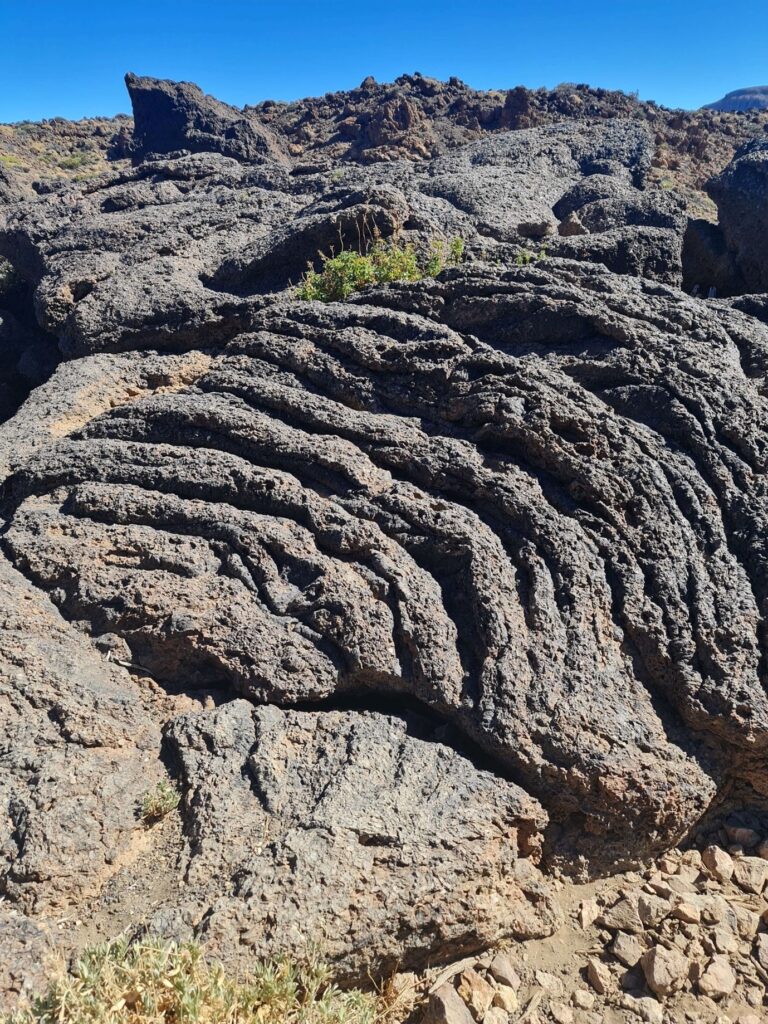
Figure 5: Lava flow close to the northernmost tip of the Roques de Garcia formation.
Figure 5 shows an old mafic Pahe Hoe lava flow that originated from Mount Teide over 1,000 years ago. This lava flow had a low viscosity and a high amount of viscals which allowed it to form ripples when it cooled.
All these volcanic formations have led Tenerife to become one of the biggest tourist destinations in Europe, with its warm climate and jaw-dropping volcanic landscape. These large numbers of tourists are one of the reasons that Tenerife itself accounts for 42% of the total Canary resident population, as a large portion of that population looks to make a living off the tourist industry. However, the geology of the island has made it very difficult for the local council to provide for all these visitors.
Pros and cons of being a tourist hotspot
The residents of Tenerife have to constantly live and work in the shadow of their island’s volcanic past. The volcanic landscape of the island can make life on it challenging for the residents. For example, the drinking water supply on the island is mainly derived from the generally porous volcanic soil that allows precipitation to infiltrate into underground galleries (Inés A. Revelo-Mejía, 2023). The island currently has over 1,000 of these man-made storage facilities all over the island, and along with over 500 wells, they supply the island with 8% of its water consumption (Tenerife Island Water Board, 2023). The water stored in these underground galleries reacts with the surrounding volcanic rock and leaches out many minerals, one in particular being fluoride. Tenerife has the highest concentration of fluoride in its water supply than anywhere else in the Canaries (Inés A. Revelo-Mejía, 2023). A publication in the National Library of Medicine states, “Excess amounts of fluoride ions in drinking water can cause dental fluorosis, skeletal fluorosis, arthritis, bone damage, osteoporosis, muscular damage, fatigue, joint-related problems, and chronicle issues” (Yogendra Singh Solanki, 2022).
The infrastructure that has been able to support the residents of Tenerife for decades could not keep up with the water demands on the island. As a result of this, a desalination plant was built to shore up supply. The plant that was built in 2001 in the city of Santa Cruz de Tenerife was recently expanded and now supplies the island with 62% of its water, or 28,800 m3, up from 21,000 m3 prior to expansion (SACYR, 2023).
The topographical layout of the island, owing to its volcanic structure, leads to the creation of three separate climatic zones.
- The first zone is the southern zone, characterised by higher temperatures, a few degrees higher than the north of the islands, low precipitation, and little cloud cover.
- The second zone is the northern region of the island, which averages a few degrees cooler than the south. This is because the altitude of Teide slows the trade winds down, causing the moisture to rise and condense, forming clouds that offload most of their moisture on the northern-facing side of the island.
- The final zone is the central highland, which has formed from countless volcanic eruptions over the past 2 million years. This highland reaches a maximum height of 3,718 metres at the peak of Teide and has a large, 2,000-metre-high caldera below the protruding peak. This area of this island is constantly hit by high levels of solar radiation, strong cool winds, and much cooler temperatures than the rest of the island. During 2016, the recorded temperature was -25 degrees Celsius at the summit during the peak of winter, then climbing up to 42 in the summer of the same year (Getholiday, 2022).
Tourism
Teide National Park attracts over 4 million visitors each year, making it the most visited national park in Spain (Statista, 2022). The Teide volcano sticks out like a sore thumb from the surrounding caldera, and national park, reaching some 3,718m above sea level. The park has many visitor centres, ancient lava flows, and spectacular views. The ancient caldera formed over 180,000 years ago. (Joan, 2019)
Tourism has become the backbone of the island’s economy, with the service sector, which is dominated by the tourism industry, accounting for 80% of the island’s overall economy. In 2022, over 5.8 million people visited the island and over 15.6 million to the whole Canaries, including the 5.8 million to Tenerife, of which 32% were from the United Kingdom, with Germany and Spain coming in second and third with 20% and 11%, respectively (Cátedra de Turismo CajaCanariasAshotel de la Universidad de La Laguna, 2021).
There is no doubt that tourists are vital for the general functioning of the island. In fact, the average tourist spends €1,195 per trip, adding €6.9 billion over the year to the island’s economy.
In recent weeks, there have been several reports emerging from residents of Tenerife complaining about tourists on this island. Particularly, the British tourists have been the catalysts in the “tourists go home” movement that the locals are now preaching. They say tourists are causing “irreparable damage” in the islands’ main hubs. Their aim is for the local government to limit the number of tourists that can visit the island each year, and on top of this, add what is dubbed an “eco-tax” to help mend the damaged parts of the island (Boyd, 2023).
Future
As the decades go by, volcanic activity in Tenerife will slowly decline as the island moves away from the hotspot. Erosion will become the driving force on the island as the extinct volcanic cone of Teide slowly decreases.
Studies will continue to find out more about the mass wasting events from these islands, as the threat of these phenomena happening may not be a major worry in Tenerife anymore but from its neighbour La Palma, which is the most volcanically active island in the Canaries. A paper published in 2001 stated that a mass wasting event from La Palma would result in a mega-tsunami reaching up to 25 metres, but after further research, it was later concluded that this wave would in fact only reach the 1- to 2-metre-high mark as new information gathered about the potential collapse volume of La Palmas volcanic flanks was much lower than what was used in the 2001 report.
Tenerife will have to prepare itself for a future with a changing climate as the temperatures around the world become hotter and global supplies of water are stretched further and further. The winter snows blanket the central structure of the island and cover Mount Teides’ cone in snow. Whether they do or do not introduce an eco-tax on tourists, the archipelago and Tenerife, in particular, will certainly remain one of the biggest tourist hotspots in Europe. As people continue to look for cheap holidays in warmer climates, the resources in the region will get stretched further and further.
Bibliography
Boyd, M., 2023. Brits on Tenerife holidays told to ‘go home’ in warnings left by furious locals. [Online]
Available at: https://www.mirror.co.uk/travel/europe/brits-tenerife-holidays-told-go-31697060
[Accessed 27 December 2023].
Bryce S. Brown, B., 2021. RA/TH DATING OF POTASSIUM FELDSPAR CRYSTALS IN PHONOLITES FROM LAS CANADAS CALDERA, TENERIFE, SPAIN (CANARY ISLANDS), NEW MEXICO STATE UNIVERSITY: NEW MEXICO STATE UNIVERSITY.
Cátedra de Turismo CajaCanariasAshotel de la Universidad de La Laguna, 2021. Universidad de La Laguna. [Online]
Available at: https://riull.ull.es/xmlui/bitstream/handle/915/22742/Tourism%20Observatory%20of%20the%20Canary%20Islands.pdf?sequence=1&isAllowed=y
[Accessed 25 December 2023].
G Prates, A. G. A. F.-R. J. M. M. ,. R. O. ,. M. B., 2013. Enhancement of sub-daily positioning solutions for surface, Berlin: Springer.
Getholiday, 2022. Mount Teide: height, fauna, flora and curiosities. [Online]
Available at: https://www.getholiday.es/en/blog/mount-teide-height-fauna-flora-and-curiosities/
[Accessed 25 December 2023].
Inés A. Revelo-Mejía, S. A.-V. S. P.-M. D. N.-C. S. C.-P. C. R.-A. Á. J. G.-F. A. H. R. R.-D. a. C. H.-S., 2023. Fluoride Levels in Supply Water from the Canary Islands Region. Foods, 4(12), p. 745.
Joan, M., 2019. Las Cañadas caldera, Tenerife, Canary Islands: A review, or the end of a long volcanological controversy. Earth-Science Reviews, September.196(1).
Marc-Antoine Longpré, V. R. T. T. R. W. T. H. H., 2009. Volcanic and geochemical evolution of the Teno massif,Tenerife, Canary Islands: Some repercussions of giantlandslides on ocean island magmatism. Geochemistry, Geophysics, Geosystems, 10(12).
Olaya Garcia, S. G. J. M., 2014. Stratigraphic correlation of Holocene phonolitic explosive episodes of the Teide–Pico Viejo Volcanic Complex, Tenerife. Journal of the Geological Society, 171(3).
Piggott, D., 2023. Roques de Garcia and Roque Cinchado: The Ultimate Hiking Guide. [Online]
Available at: https://travelmademedoit.com/roques-de-garcia-roque-cinchado/
[Accessed 27 December 2023].
SACYR, 2023. We expand the Tenerife desalination plant and improve its sustainability. [Online]
Available at: https://www.sacyr.com/en/-/desaladora-tenerife
[Accessed 28 December 2023].
Smithsonian Institution, 2013. Global Volcanism Program. [Online]
Available at: https://volcano.si.edu/volcano.cfm?vn=383030
[Accessed 26 December 2023].
Statista, 2022. Number of visitors to national parks in Spain in 2022. [Online]
Available at: https://www.statista.com/statistics/946345/attendance-national-parks-spain/
[Accessed 27 December 2023].
Tenerife Island Water Board, 2023. Water: Resources and Consumption. [Online]
Available at: https://www.wonderfultenerife.com/en/article/show/2974/el-agua-recursos-y-consumos-1
[Accessed 22 December 2023].
USGS, 2023. 1980 Cataclysmic Eruption. [Online]
Available at: https://www.usgs.gov/volcanoes/mount-st.-helens/science/1980-cataclysmic-eruption
[Accessed 26 December 2023].
Wonderful Tenerife, 2023. Volcanic evolution in Tenerife. [Online]
Available at: https://wonderfultenerife.com/en/article/show/159/01-evolucion-del-volcanismo
[Accessed 26 December 2023].
Yogendra Singh Solanki, M. A. A. B. G. S. G. P. S., 2022. Fluoride occurrences, health problems, detection, and remediation methods for drinking water: A comprehensive review, Washington: National Libary of Medicine.


+ There are no comments
Add yours